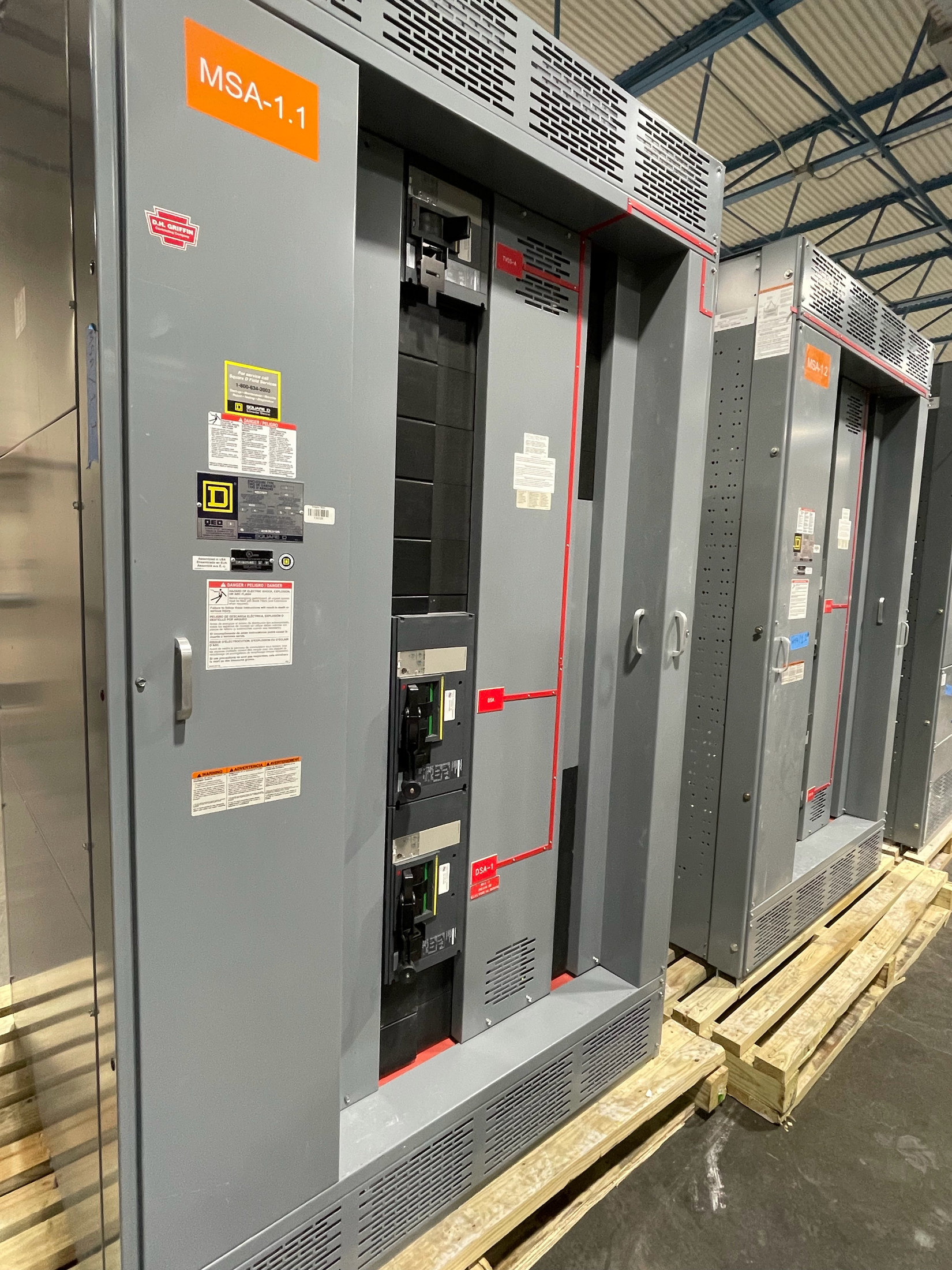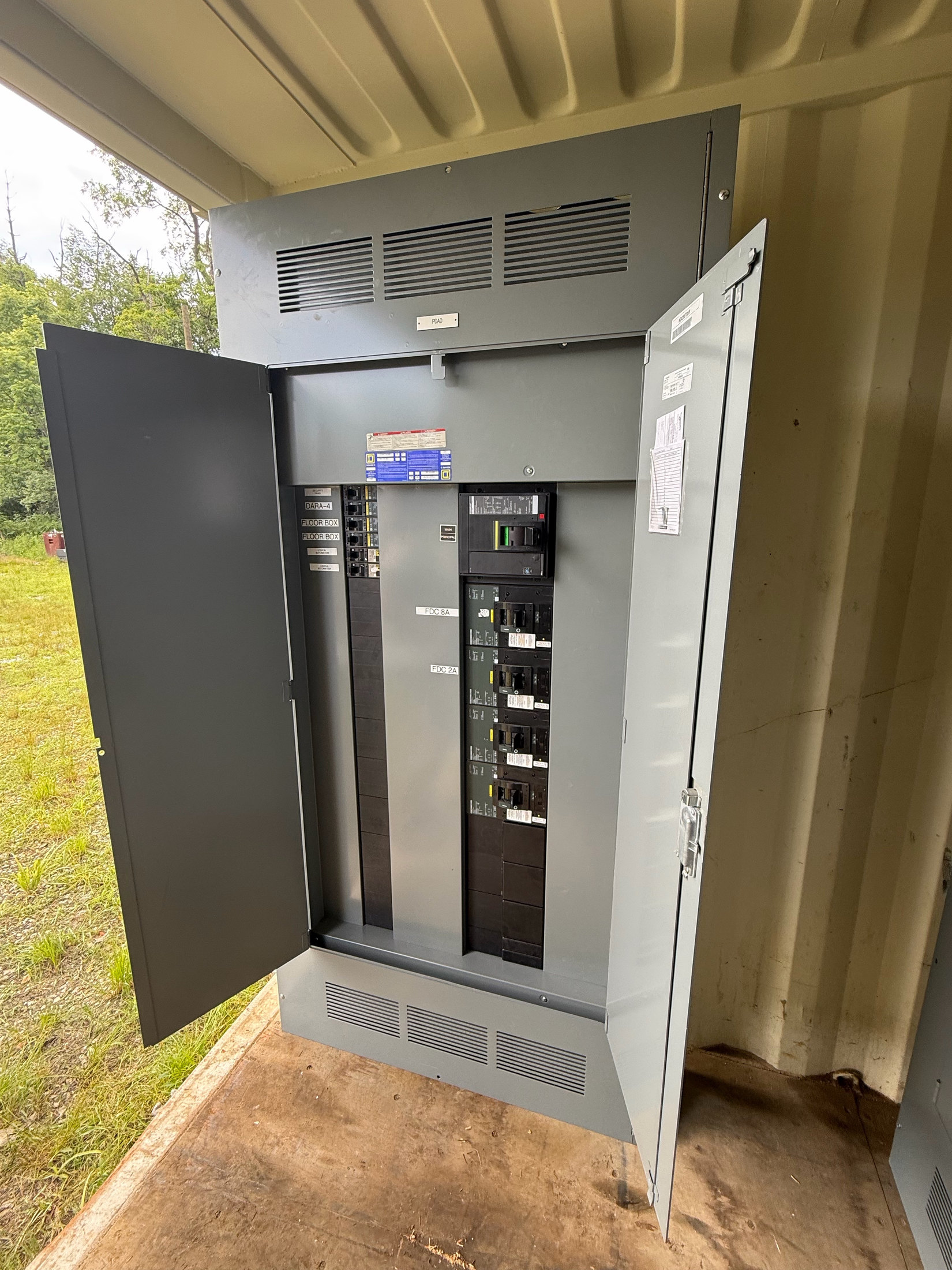
Decide What Equipment Is Yours to Sell
Before seeking an offer, establish which switchgear you own and which equipment is included in the proposed sale. At a multi-party industrial property, ownership, access, and removal authority may belong to different parties. A clear inventory should distinguish your equipment from items owned by a landlord, another tenant, a utility, a lender, or a former operator. Include only assets you are authorized to sell, and identify any ownership questions that need resolution before a buyer coordinates pickup.
Define the proposed sale by equipment group and location within the property, using records you already have. Note whether the scope covers complete lineups, individual sections, associated distribution equipment, or a mixed group. If the property has shared rooms, restricted areas, or equipment serving other occupants, describe those limits without implying that the equipment is available. This groundwork helps keep an offer tied to the assets and access conditions the parties have actually discussed.
Describe the Switchgear and Sale Scope
An initial description can identify the quantity, general equipment type, known voltage class, manufacturer markings, and visible condition when those details are already available. Ratings and labels help identify equipment; they do not establish that a particular model, configuration, or operating condition has been verified. You do not need to conduct testing or open equipment to request consideration. If photos or label details are already safely accessible, they are optional information that may help clarify the inventory.
Scope matters when equipment is grouped across rooms or ownership boundaries. Separate items you are offering from equipment that must remain in place, and note known exclusions such as shared infrastructure or assets subject to another party’s approval. If the inventory includes switchgear from a decommissioned data center or a shut-down power plant, identify that context as background rather than as proof of condition or suitability. We buy switchgear across all voltage classes, with purchase interest and any offer depending on the equipment and the agreed scope.
Document Access Limits Before Pickup
At a multi-party industrial property, access may be controlled by more than one owner or site representative. Record who can authorize entry, which areas are available, any escort or scheduling requirements, and whether loading access is subject to separate approval. Distinguish permission to view equipment from permission to remove it. If an access boundary is unclear, resolve it with the party responsible for the property before treating the affected equipment as available for sale.
Share practical constraints that could affect coordination, such as restricted entry areas, shared routes, limited staging space, or times when the property cannot accommodate pickup. These are planning details, not permission for a buyer to enter or handle equipment independently. Owners and their authorized representatives control site access. You can communicate limitations in writing so the proposed scope and removal plan reflect the permissions actually granted, rather than assumptions about who may enter, disconnect, or load the equipment.
Coordinate Removal Around Site Authority
When a sale is agreed, we handle the removal logistics, including cranes, rigging, disconnects, loading, freight, and hauling. The seller does not need to arrange those services as part of the buyer’s removal work. Coordination still depends on the agreed equipment, site permissions, and practical access information. Identifying the authorized site contact and communicating limits early helps align the pickup plan with the property’s rules and the parties’ responsibilities.
For a property shared among owners, tenants, or operators, confirm which party can approve the relevant access and removal arrangements. A seller’s authority to sell an item does not necessarily establish authority over common areas or another party’s equipment. Keep the agreed inventory and access boundaries consistent as coordination proceeds, and raise any change in scope or permission before pickup is planned around it. We do not ask sellers to test, energize, open, disconnect, dismantle, or physically handle the switchgear for us.
Understand the Purchase Terms
We buy used, surplus, and decommissioned electrical distribution equipment. We make cash offers for equipment we are interested in purchasing, but an offer is not promised for every item; interest and terms depend on the equipment and the parties’ agreement. Payment is made upfront before pickup. That sequence lets the seller evaluate the proposed transaction and payment before removal coordination begins.
There is no seller testing requirement. Do not energize equipment, open enclosures, disconnect conductors, dismantle assemblies, or move items to prepare them for an offer or pickup. If equipment condition is uncertain, describe what you know and leave technical evaluation and removal planning to the agreed process. Any purchase remains subject to agreement on what is included and the applicable sale terms; a broad property inventory alone does not establish that every listed asset will be purchased.
Keep the Sale Record Clear
A useful sale record ties the offer to identifiable equipment and a defined scope. Keep the inventory description, ownership authorization, access limitations, and agreed pickup arrangements aligned. If the inventory changes, an item is excluded, or a property representative revises access permission, communicate that change before relying on an earlier scope. Clear records reduce the chance of confusion between equipment offered for sale and equipment that must remain onsite or belongs to someone else.
For a seller in Duquesne or elsewhere in Pennsylvania, the same purchase approach applies: establish authority, describe the equipment, and explain site constraints before coordinating removal. We serve Pennsylvania sellers without requiring them to arrange cranes, rigging, disconnects, loading, freight, or hauling. A practical first step is to provide the equipment scope and any known access limits, then discuss whether the equipment is of interest and what terms can be agreed.