Selling Switchgear in Homestead, PA
A property redeveloper reviewing equipment retained under a lease may find that the electrical distribution assets are not part of the planned use for the site. Switchgear can be a significant part of that inventory, but it should be considered as an identifiable assembly rather than treated as a pile of interchangeable electrical parts. The equipment’s location, apparent completeness, and relationship to other retained assets all affect how a buyer can assess a potential purchase.
We buy used, surplus, and decommissioned switchgear across Pennsylvania, including equipment in Homestead and elsewhere in Allegheny County. A sale is subject to agreement and depends on the equipment. The discussion can begin with what the lease leaves in place, who has authority to sell it, and which switchgear assemblies are actually available. That context helps separate saleable equipment from items that belong to another party or remain necessary to the property.
Separate Assemblies From Loose Components
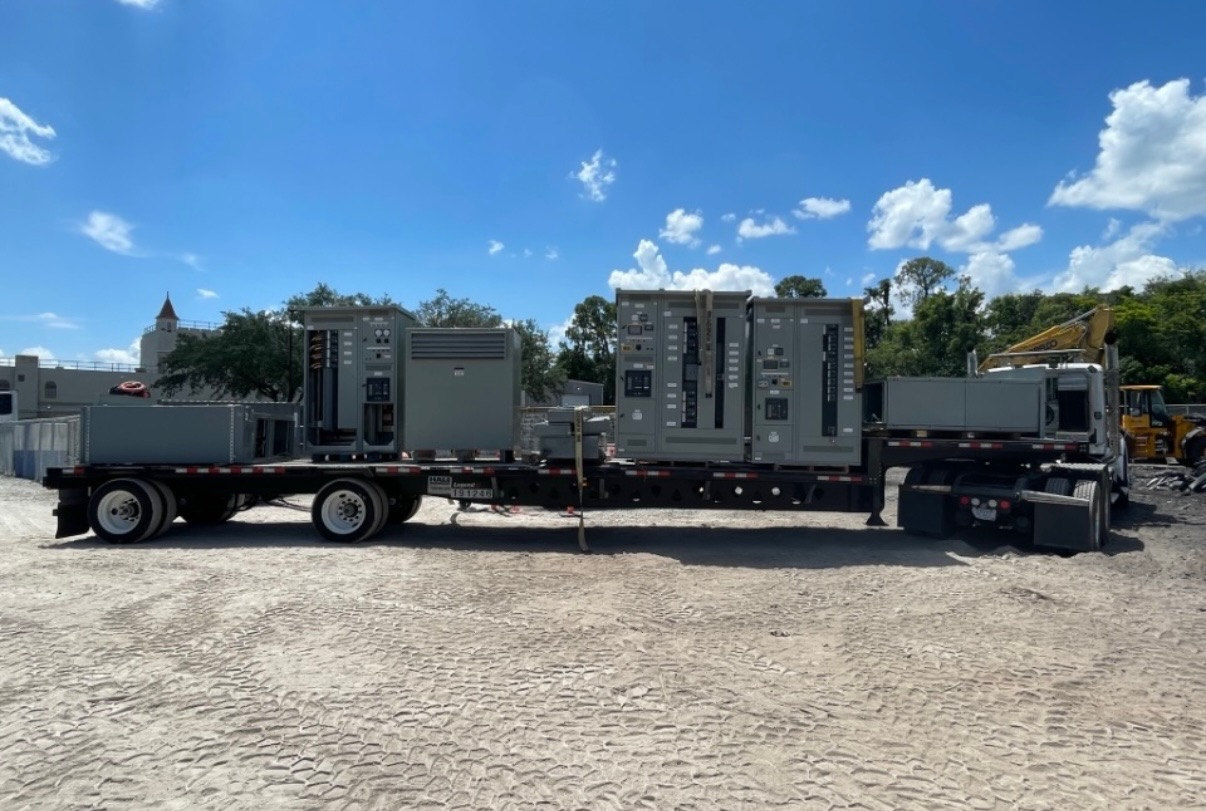
A switchgear assembly is a coordinated unit of electrical distribution equipment. Loose breakers, relays, meters, fuses, control devices, and other components may be associated with an assembly, but they are not automatically equivalent to a complete switchgear lineup. When describing the inventory, identify assemblies separately from spare or removed parts. If component ownership or whether an item belongs with a particular assembly is uncertain, keep that distinction open for review rather than combining everything under one broad description.
This separation matters especially when a redevelopment inventory includes equipment retained under a lease alongside unrelated building contents. An assembled lineup may be considered as a unit, while individual loose components may require their own description and assessment. Include the known quantity of assemblies and any clearly separate component lots, without assuming that missing parts, accessories, or records can be supplied. The buyer’s assessment depends on the actual equipment offered, not simply on the label attached to a room or inventory category.
Establish What the Lease Allows You to Sell
Before discussing a sale, confirm which party owns the switchgear and has authority to transfer it. A lease may identify retained equipment, allocate ownership, or set conditions for access and removal; the relevant terms should be settled by the parties responsible for the property. Clarifying this first helps avoid treating leased, tenant-owned, landlord-owned, or otherwise restricted equipment as one seller’s lot. It also makes it easier to define whether the offer discussion concerns every identified assembly or only selected equipment.
The owner or authorized representative controls site access and determines what information can be shared. An inventory can describe the equipment by location, quantity, general type, visible identification, and known status. Photos or nameplate details are optional and useful only when already safely accessible. There is no need to enter restricted areas or handle equipment to gather information. If lease responsibilities, ownership, or the proposed scope change, update the inventory before proceeding so the equipment under discussion remains clear.
Describe the Equipment for Buyer Review
Useful information includes whether the equipment is switchgear, the number of distinct assemblies, any visible voltage-class markings, and whether the inventory includes separate loose components. Manufacturer names and ratings can help identify items, but they do not establish a particular model, condition, completeness, or suitability. Describe only details that are already known or visible from a safe, authorized position. A short, accurate account is more helpful than assumptions based on the building’s former use or the appearance of nearby equipment.
Condition and operating status should be represented as known, unknown, or not assessed. Sellers do not need to test equipment for a buyer. Do not energize, open, disconnect, dismantle, or physically handle switchgear to prepare a sale description. If existing records are available, they may help explain the equipment’s history or status, but missing documentation does not justify filling gaps with guesses. Buyers review the equipment actually offered, and any purchase depends on agreement about that equipment and its circumstances.
Define the Lot Before Discussing an Offer
A redevelopment property can contain a broader lot of electrical distribution assets, building equipment, and loose parts. The switchgear portion should be distinguished from that larger inventory so everyone understands what is being considered for purchase. A proposed lot might include identified switchgear assemblies, separate associated components, or both as clearly described groups. Avoid implying that every electrical item in a room is part of the switchgear lot, or that every component is included merely because it is nearby.
The scope also affects pickup planning and the buyer’s review. Identify which equipment is included, which items are excluded, and whether the proposed sale is limited to a particular assembly or group. If the inventory changes, the buyer can consider the revised scope; an earlier discussion does not establish that newly added equipment is included. We make cash offers for equipment we agree to buy, with payment upfront before pickup. Offers are not assured for every item and depend on the equipment and agreed sale scope.
Coordinate Removal and Pickup
After a sale is agreed, we handle the pickup logistics for the equipment we are buying, including cranes, rigging, disconnects, loading, freight, and hauling. This coordination is distinct from the seller’s role in establishing ownership, authorizing access, and identifying the agreed lot. The property owner or authorized party controls access and site arrangements. Clear communication about the equipment’s location and the boundaries of the sale helps align pickup planning with the property’s requirements.
Do not prepare switchgear for removal by disconnecting, dismantling, moving, or otherwise handling it. Leave access decisions and any required site permissions with the responsible property parties. The equipment should remain as it is while the sale and pickup are coordinated. Payment is made upfront before pickup, and the sale proceeds only for equipment covered by the parties’ agreement. This gives the seller a defined point for payment and helps keep removal planning tied to the agreed inventory.
Pennsylvania Switchgear Purchases
We buy switchgear throughout Pennsylvania across all voltage classes. Our purchases include equipment from decommissioned data centers and shut-down power plants, as well as other used, surplus, and decommissioned electrical distribution equipment. The same basic review applies to a property in Homestead: identify the assemblies, distinguish them from loose components, establish the seller’s authority, and define what equipment is available for consideration.
For a redeveloper sorting equipment retained under a lease, a focused inventory can make the next conversation more productive without turning the entire property contents into one assumed lot. Share what is known about ownership, scope, assembly count, visible identification, and status. We can review the described equipment and discuss a cash offer if it is equipment we are interested in buying. Any purchase remains dependent on the equipment and agreement, with payment upfront before pickup and buyer-coordinated removal logistics.