Start With the Inventory
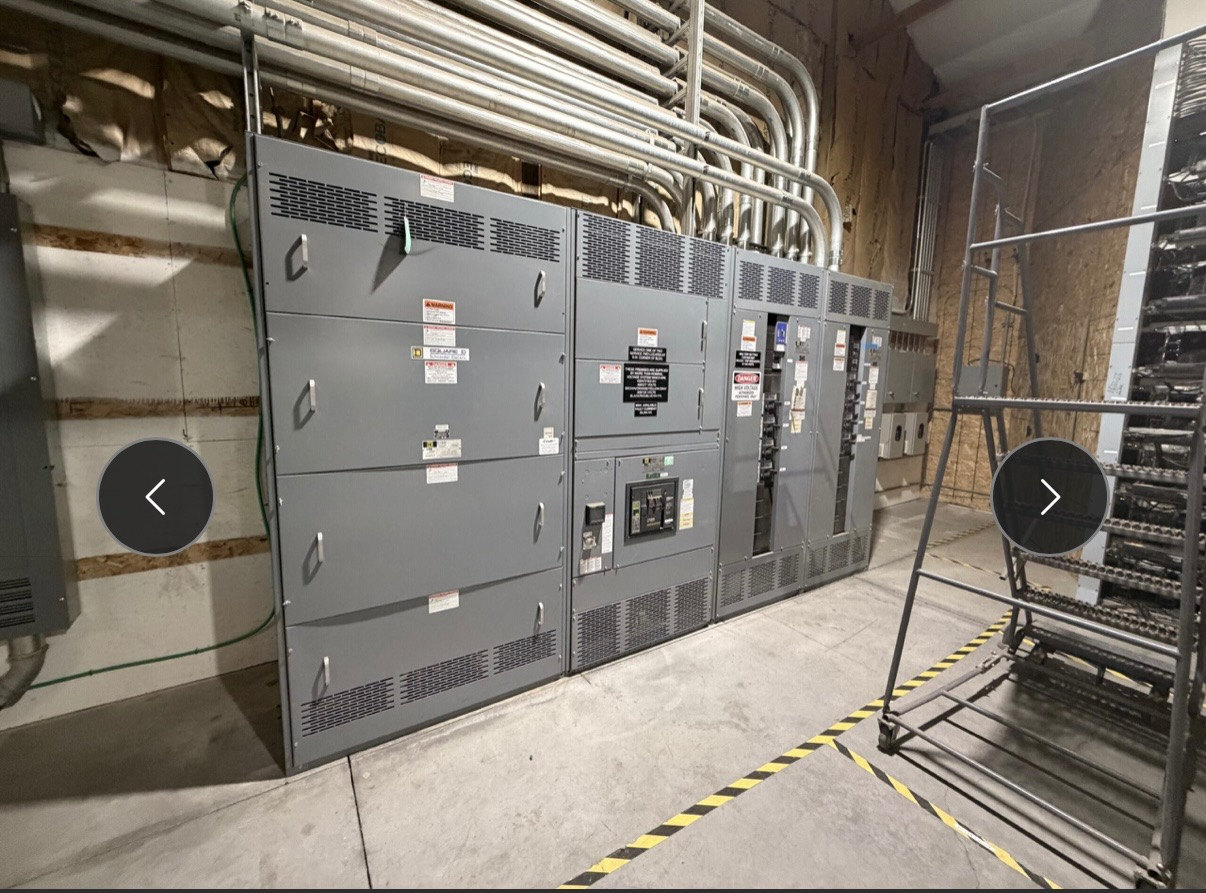
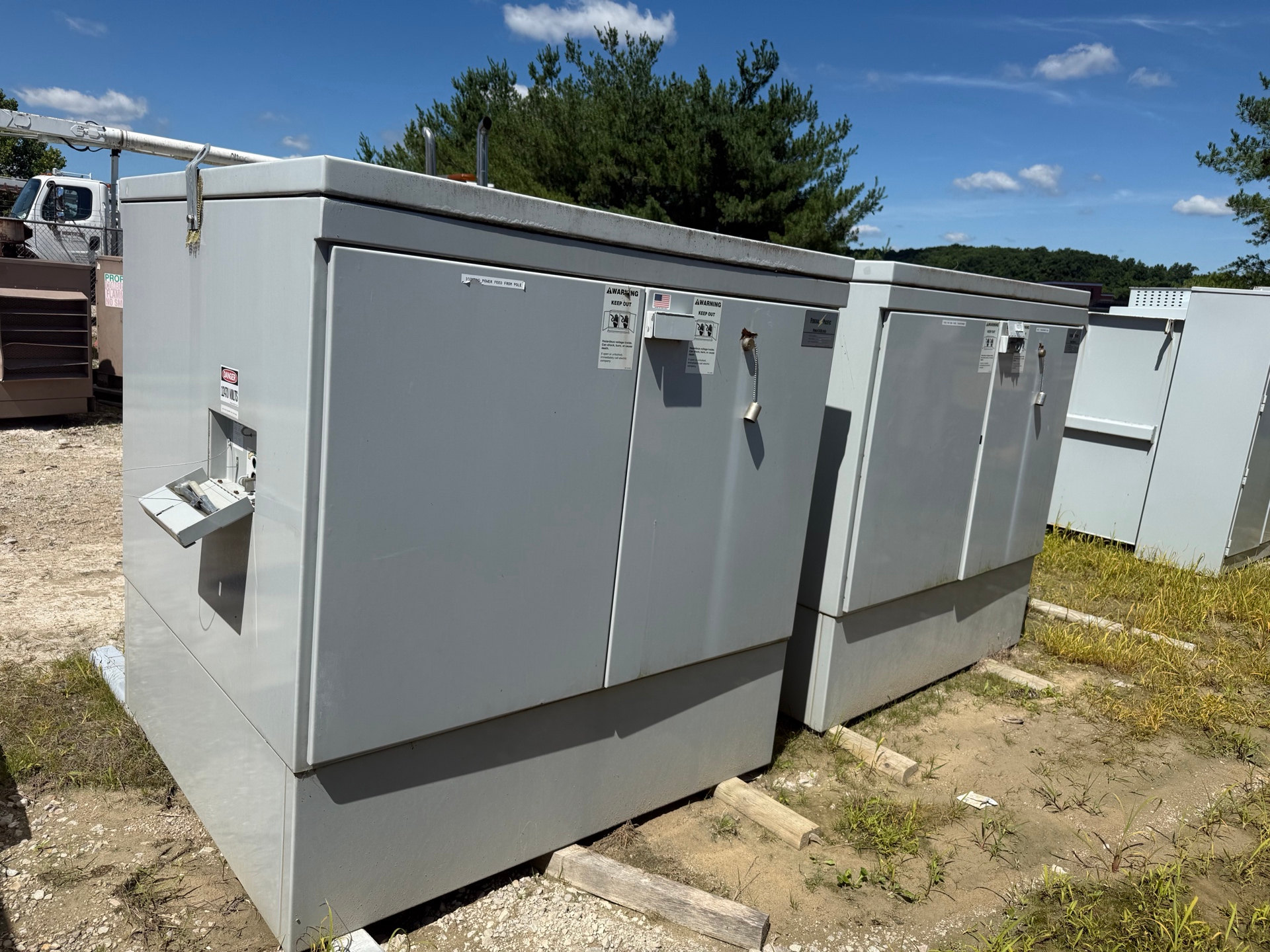
For a Nanticoke facility team considering a sale, the useful first step is to sort the electrical distribution inventory by equipment type—not to assume that every cabinet or assembly is switchgear. Panelboards, switchboards and switchgear serve different roles and can have different configurations, so identify each group using existing records and equipment labels that are already safely accessible. This distinction helps us understand what is actually available and prevents a mixed inventory from being described as one uniform lot.
We buy used, surplus and decommissioned electrical distribution equipment, including switchgear across all voltage classes. We also buy switchgear from decommissioned data centers and shut-down power plants. An inventory review is a starting point, not a promise that every listed item will receive an offer. Any offer depends on the equipment and the information available, and a sale proceeds only if both parties agree.
Separate Panelboards, Switchboards and Switchgear
When reviewing an equipment list, keep panelboards, switchboards and switchgear in separate entries where the records make that distinction. Use the descriptions already maintained by the facility, such as asset records, drawings or nameplate information, rather than guessing from appearance. If a record uses a broad or uncertain description, preserve that wording and flag the uncertainty. Accurate categories give a buyer a clearer basis to ask follow-up questions about the equipment being offered.
Do not open equipment, energize it, disconnect it, dismantle it or conduct testing for a sale inquiry. Owners control site access and any facility work. If photographs or label details are already safely accessible, they can be shared voluntarily; they are not a requirement. We do not require seller testing. Clear existing information can support an initial review without asking the facilities team to perform physical inspection or preparation work for us.
Describe Scope and Available Records
After sorting by equipment type, establish what the proposed sale includes. A facilities team may be considering a single item, a defined group or a larger surplus inventory; the scope should be stated plainly, with known exclusions identified. Include the location within the facility only at the level useful for planning, and distinguish confirmed inventory from equipment whose ownership or disposition is still being reviewed. This makes it easier to discuss the actual lot rather than an assumed package.
Share available descriptions and records that help identify the equipment, while separating documented details from unknowns. Existing labels, inventory entries and other records can be useful, but do not infer ratings, condition, compatibility or configuration when those facts are not established. We can consider the information provided and discuss whether the equipment is of interest. An offer is not automatic, and the amount and scope depend on the equipment and the terms the parties agree to.
Coordinate the Sale Around the Site
Nanticoke is in Luzerne County, Pennsylvania, but a municipality name alone does not determine how a particular facility can be accessed or how equipment can be removed. Site access, pickup arrangements and the equipment included in a sale need to be coordinated with the owner or the owner’s authorized facilities contacts. The team can identify its access rules and relevant scheduling constraints during the discussion, without undertaking equipment work to prepare for an inquiry.
For equipment we purchase, we handle cranes, rigging, disconnects, loading, freight and hauling as part of coordinating pickup. The owner retains control of the site and authorizes access. We do not assume that a location has a particular loading area, lifting capacity, route or site arrangement; those details must be established with the people responsible for the facility. This division of responsibilities helps keep the sale discussion focused on scope and coordination rather than asking the seller to arrange removal services.
Understand Payment and Pickup Terms
We make cash offers for equipment we are interested in buying. Payment is made upfront before pickup, and pickup is coordinated after the parties agree on the equipment and sale terms. This sequence gives the seller a clear basis for deciding whether to proceed: review the proposed scope and offer, reach agreement, receive payment before pickup, and coordinate access for removal.
An initial inventory review does not commit either party to a transaction. Equipment can differ substantially across a mixed surplus inventory, and an offer depends on what is being offered and the information available. If the proposed scope changes, or records clarify that an item is a panelboard or switchboard rather than switchgear, the parties can discuss the revised scope before agreeing. No sale takes place unless the seller and buyer agree on its terms.
Move From Inventory Review to Agreement
A practical inquiry can begin with a concise description of the inventory: which items are identified as switchgear, which are listed as panelboards or switchboards, what quantity is included, and what remains uncertain. Add any existing records that are available and relevant. If the inventory comes from a larger decommissioning or surplus process, indicate which equipment is actually being offered, rather than treating all equipment at the site as part of the sale.
Once the equipment and scope are understood, we can discuss whether we are prepared to make an offer and, if so, the proposed terms. The facilities team can then decide whether those terms work for the seller and coordinate the agreed pickup with us. We buy only; this is a purchasing process for used, surplus and decommissioned electrical distribution equipment. The focus remains on correctly identifying the inventory, agreeing on what is included and arranging payment and removal only when a sale is agreed.