Sell Switchgear in Pittston, PA
If you own switchgear in Pittston or elsewhere in Luzerne County and are considering a sale, begin by confirming who has authority to sell it and what equipment is included. A property owner, asset owner, or authorized representative can clarify whether the switchgear is surplus, decommissioned, or part of a larger equipment group. Ownership and sale authority matter before anyone discusses timing, access, or pickup.
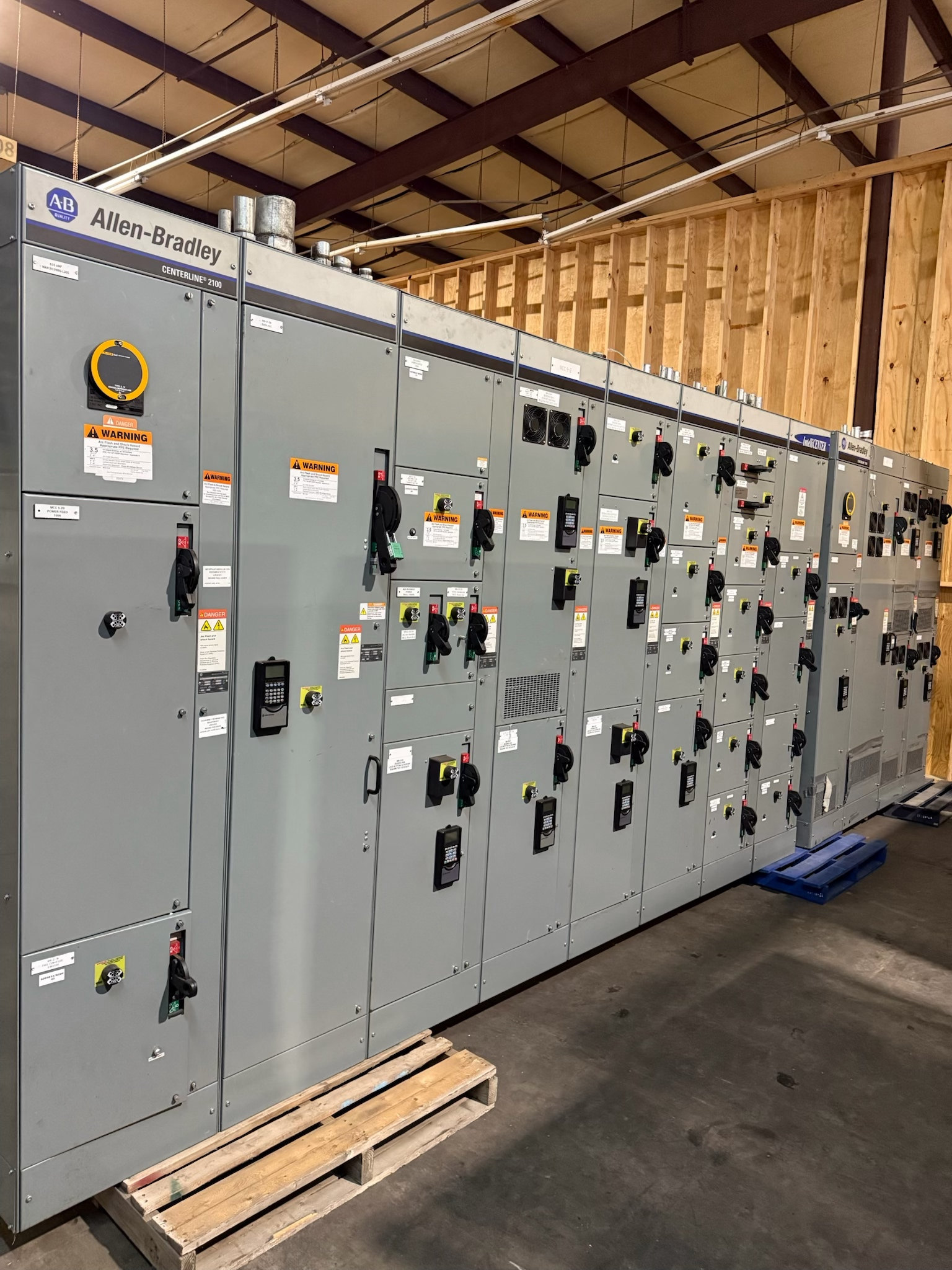
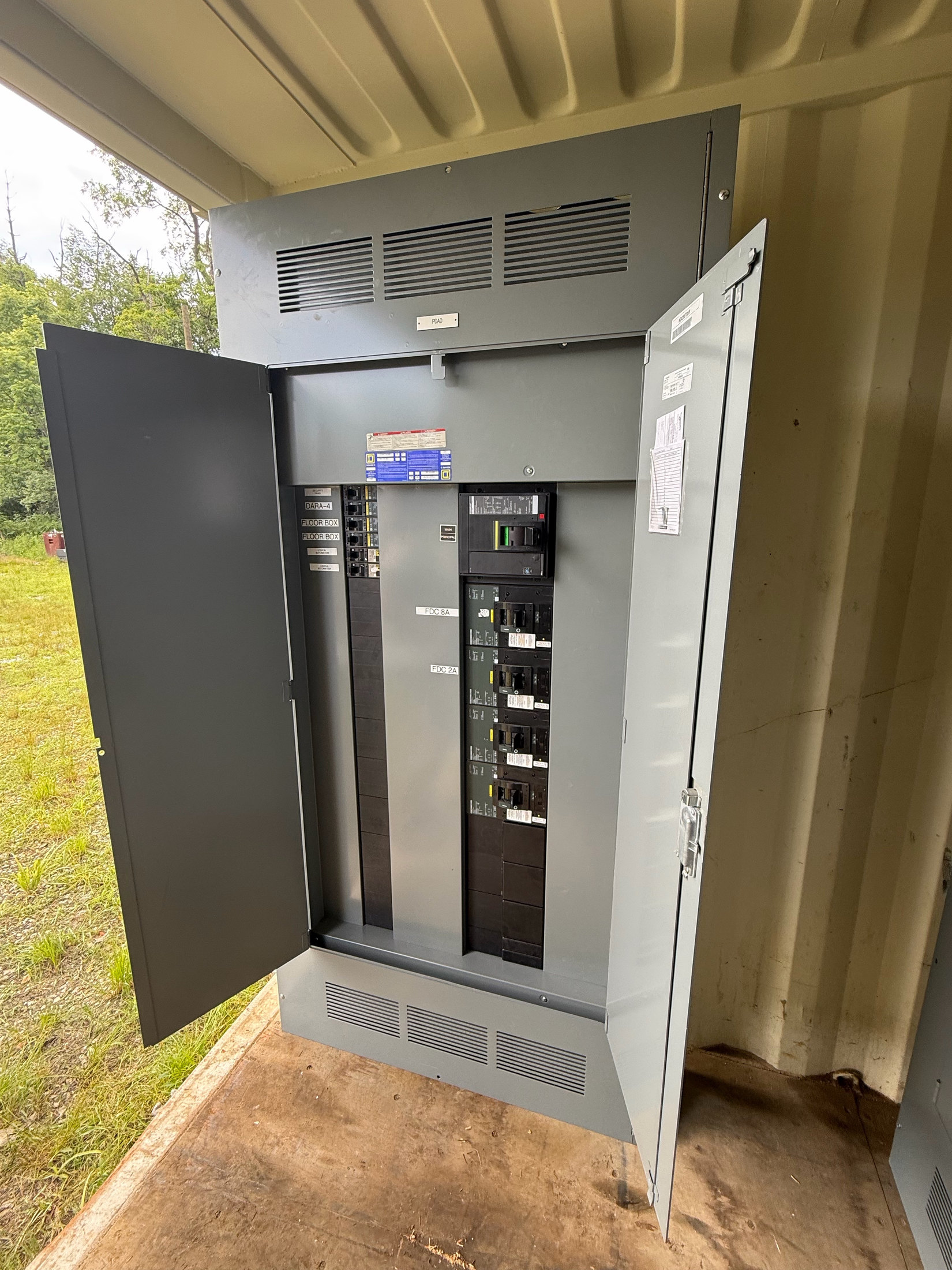
We buy used, surplus, and decommissioned electrical distribution equipment in Pennsylvania, including switchgear from decommissioned data centers and shut-down power plants across all voltage classes. We are a buyer, not a seller or installation contractor. A cash offer may be possible depending on the equipment and the agreed scope; not every item will qualify for an offer.
Establish Ownership and Sale Scope
Before requesting an offer, identify the party entitled to sell the equipment and any restrictions that affect the transaction. For a contractor coordinating on behalf of a client, confirm the client’s authorization and make clear whether the contractor is only arranging communication and access. If a site owner has set limits on collection timing, entry, or the area included in a sale, communicate those limits so the discussion reflects the actual scope.
Define what is being offered as specifically as you can without handling or opening equipment. Note whether the proposed sale concerns switchgear alone or a broader group of electrical distribution equipment, and distinguish included items from anything the owner intends to retain. If ownership is shared, disputed, or subject to another party’s approval, resolve that before scheduling a collection window. A clear scope helps prevent confusion about what a buyer has agreed to acquire.
Share Available Equipment Information
Useful information can include the equipment’s general description, quantity, known condition, and whether it is still in service or has been decommissioned. Existing records may help identify the equipment and its history. Photos or label details are optional; provide them only when they are already safely accessible. No one needs to enter a restricted area, approach unsafe equipment, or perform additional work to prepare information for an initial conversation.
We do not require seller testing. Do not energize, open, dismantle, disconnect, or physically handle switchgear to support a sale inquiry. If the owner already has documentation, it can be shared voluntarily, with sensitive information handled according to the owner’s requirements. When details are incomplete, state what is known and what remains unknown rather than guessing at ratings, condition, or compatibility.
Coordinate the Collection Window
A contractor might tell a buyer that the owner has offered a particular collection window and that access is limited to an agreed area. That kind of communication is useful only when it accurately reflects the owner’s direction. The contractor can relay the proposed timing and restrictions, while the owner retains control of site access and confirms who may enter and when. A proposed window is a coordination detail, not a commitment that a collection will occur before the sale scope and terms are agreed.
For a Pittston-area transaction, discuss the collection window in relation to the actual property and its access requirements rather than assuming that nearby locations share the same conditions. Describe any known constraints that could affect coordination, such as restricted entry times or limits on where a pickup can take place. Do not infer site conditions from the municipality alone. The owner’s current instructions should guide access planning.
Agree on Equipment and Sale Terms
An offer depends on the equipment and the proposed transaction. Discuss which items are included, what information supports the assessment, and whether the owner accepts the proposed cash amount. If the equipment group or scope changes, revisit the offer before proceeding. A conversation about equipment does not itself establish that every listed item will be purchased or that a transaction is complete.
Payment is made upfront before pickup. Confirm that the agreed equipment and sale terms are settled before collection is arranged. The seller should know who is authorized to accept payment on the owner’s behalf and how the owner wants the transaction documented. Keeping payment, scope, and pickup coordination aligned reduces uncertainty for both the equipment owner and any contractor acting as a point of contact.
Pickup, Rigging, and Hauling
We handle cranes, rigging, disconnects, loading, freight, and hauling for an agreed purchase. The owner remains in control of access and should communicate applicable site restrictions before pickup planning. A contractor can help relay the owner’s collection window and logistical requirements, but should not perform equipment work or grant access beyond the owner’s authorization.
Once the sale scope and terms are agreed, coordinate the collection with the people authorized by the owner. Keep the pickup plan consistent with the approved area and timing, and update the buyer if the owner changes a restriction or collection window. No seller testing or preparation is required. Arrangements should not proceed on assumptions about access, included equipment, or permission to handle items.
A Clear Path from Inquiry to Sale
A practical inquiry connects four points: ownership authority, the switchgear included in the proposed sale, information already available about that equipment, and the owner’s instructions for access and timing. A contractor can make communication more orderly by identifying their role and sharing confirmed restrictions rather than speaking for the owner without authorization. These details allow a buyer to evaluate the proposed scope and discuss whether an offer is appropriate.
If you are considering selling switchgear in Pittston, Pennsylvania, start with the equipment you own or are authorized to sell and the collection conditions the owner has established. Share only information that can be provided safely, agree on the purchase terms, and confirm payment upfront before pickup. When a purchase is agreed, we handle the cranes, rigging, disconnects, loading, freight, and hauling.