Start With the Existing Equipment Register
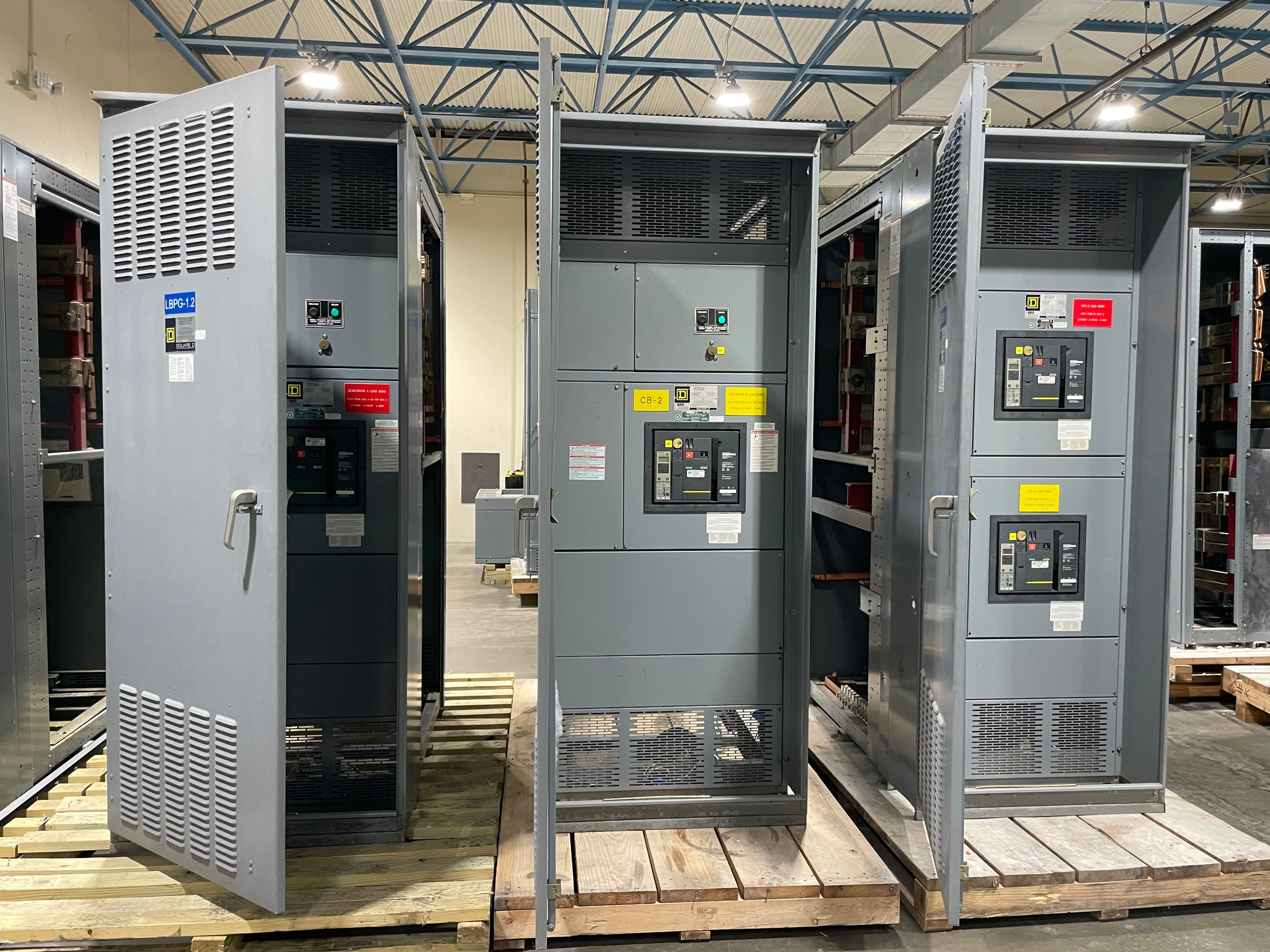
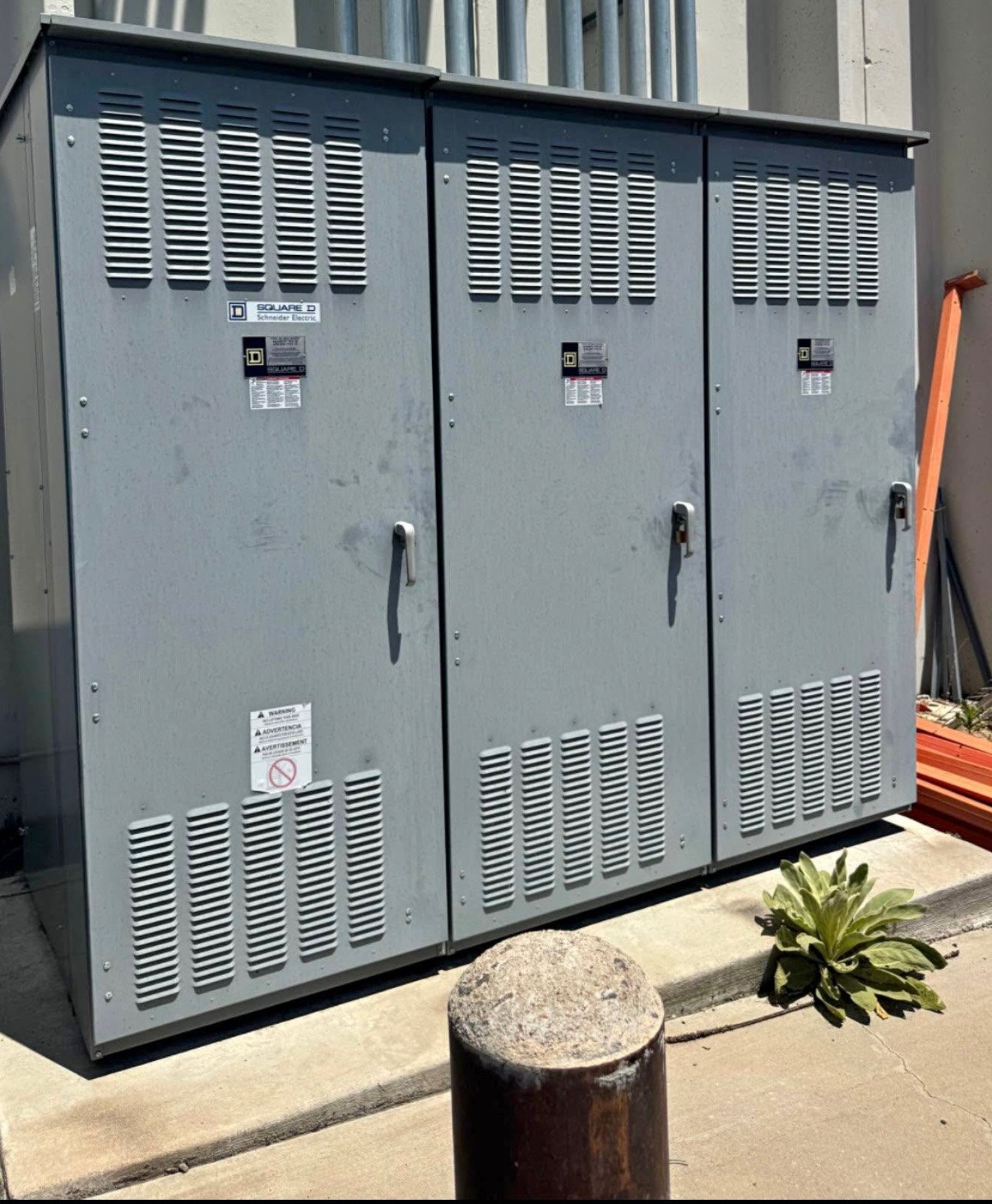
A property manager reconciling asset tags against an existing equipment register can begin by comparing what the records say with what is already documented about the equipment. Useful details may include the recorded asset name, manufacturer, visible identification, general equipment type, and whether the entry represents one assembly or several components. For switchgear at a Sayre property, this kind of record review helps define what is being offered without requiring the seller to conduct testing or alter the equipment.
Keep the register’s uncertainty visible rather than resolving it through assumptions. An old entry may use a different name from a current inventory, or one tag may refer to a lineup rather than an individual section. Note those distinctions in the sale information. Photos of labels or equipment may be shared when they are already safely accessible, but they are optional. The owner controls access, and no one needs to open, energize, disconnect, dismantle, or physically handle equipment to prepare an initial description.
Decide Whether to Offer One Item or a Mixed Lot
A single-item offer can make sense when one identifiable piece of switchgear is being retired and its records are reasonably distinct. The buyer can consider that item on its own, using the information available about its identity, condition as represented, and sale scope. A single item may also be easier to distinguish from equipment that remains in service or is not included in the transaction.
A mixed lot groups multiple items or assemblies into one proposed sale. That can suit an inventory where several assets are being removed from consideration together, but the lot description should make clear which recorded assets are included and which are excluded. A mixed lot is not automatically more valuable or easier to purchase than one item. The buyer’s interest and any cash offer depend on the equipment and the proposed scope; offers are not available for every item. A seller can describe the inventory as a group while identifying notable differences among its contents.
Describe Scope Without Guessing at Ratings
For switchgear, the sale description should separate known information from missing or uncertain details. Existing asset records and already accessible labels can help identify the equipment, but a seller does not need to infer voltage, capacity, compatibility, or other specifications from appearance. If records use broad descriptions, retain that wording and explain which items it covers. This is more useful than presenting an unverified rating as fact.
Scope also includes what the buyer is being asked to purchase. Clarify whether the proposed sale covers a complete lineup, selected equipment, or a mixed group, and identify any associated items only when the records support that description. Switchgear purchased from decommissioned data centers and shut-down power plants can span all voltage classes. That broad purchasing scope does not establish the rating, condition, or suitability of any particular equipment; those depend on the equipment being offered and the information available for the proposed sale.
Share Records and Safe, Available Information
An initial discussion can use the existing equipment register, an itemized inventory, and any sale-scope notes the owner already maintains. If photographs or label information are readily available without accessing or disturbing equipment, they may help distinguish items with similar descriptions. A photo is optional, and the seller should not create one by opening an enclosure, entering a restricted area, or handling equipment. Owners remain in control of site access.
When a register and visible identification differ, state the difference instead of choosing one version without support. A note such as “recorded as a lineup; visible identification not confirmed in current records” communicates the issue without implying a technical conclusion. This is especially helpful for mixed lots, where one uncertain entry should not be treated as proof that every item has the same identity. The buyer can consider the information provided and determine whether the equipment and proposed transaction are of interest.
Coordinate the Sale and Payment
We buy used, surplus, and decommissioned electrical distribution equipment and make cash offers when the equipment and sale terms support an offer. The process is a purchase, not a consignment or a promise that every listed asset will receive an offer. The seller and buyer must agree on the equipment included and the terms before a sale proceeds. Whether the proposal concerns one item or a mixed lot, clear scope helps keep the offer tied to the actual property being sold.
Payment is made upfront before pickup. The seller should coordinate the agreed payment and pickup arrangements before the equipment is collected. We do not require seller testing as part of this process. That allows a property manager to work from existing records and the information already available rather than arranging seller-side testing for the purpose of seeking an offer. Any uncertainty about the equipment should be described plainly so it can be considered in evaluating the proposed purchase.
Plan Pickup Around the Property
After agreement, we handle cranes, rigging, disconnects, loading, freight, and hauling for the purchased equipment. The property owner or manager controls site access and coordinates with us on the access arrangements needed for the agreed pickup. Information about access, scheduling constraints, and the items included can be discussed as part of arranging collection; no assumed site condition or local transport detail should replace confirmation with the property representative.
For a mixed lot, pickup coordination depends on the agreed scope and the equipment included in the purchase. For a single item, the same principle applies: identify what is being collected and coordinate the site arrangements with the owner. The seller does not need to perform physical handling or prepare equipment through disconnection or dismantling. Keeping the asset register aligned with the agreed sale scope helps the property manager communicate clearly through payment and pickup, whether the transaction is for one identifiable item or several distinct pieces.