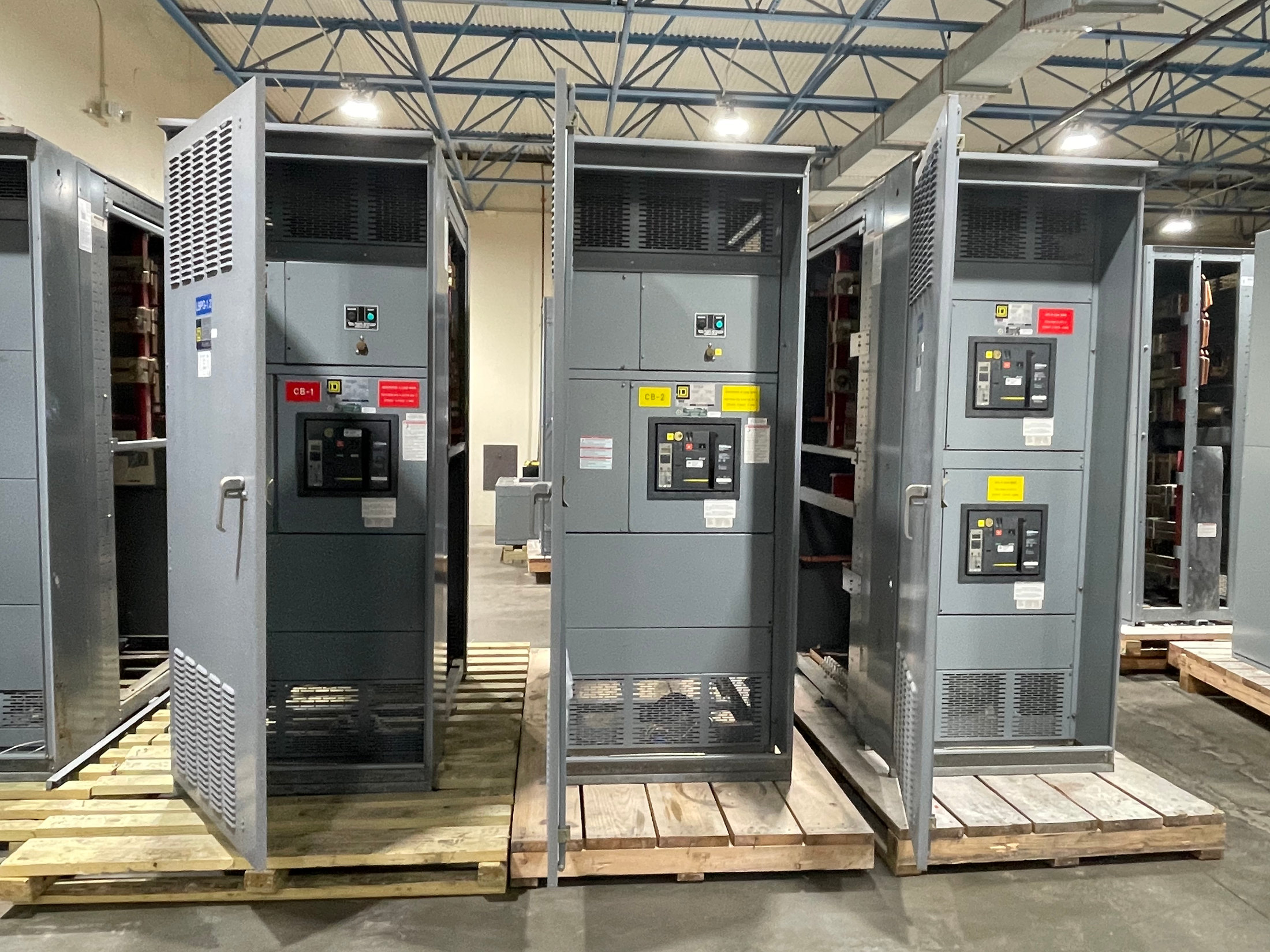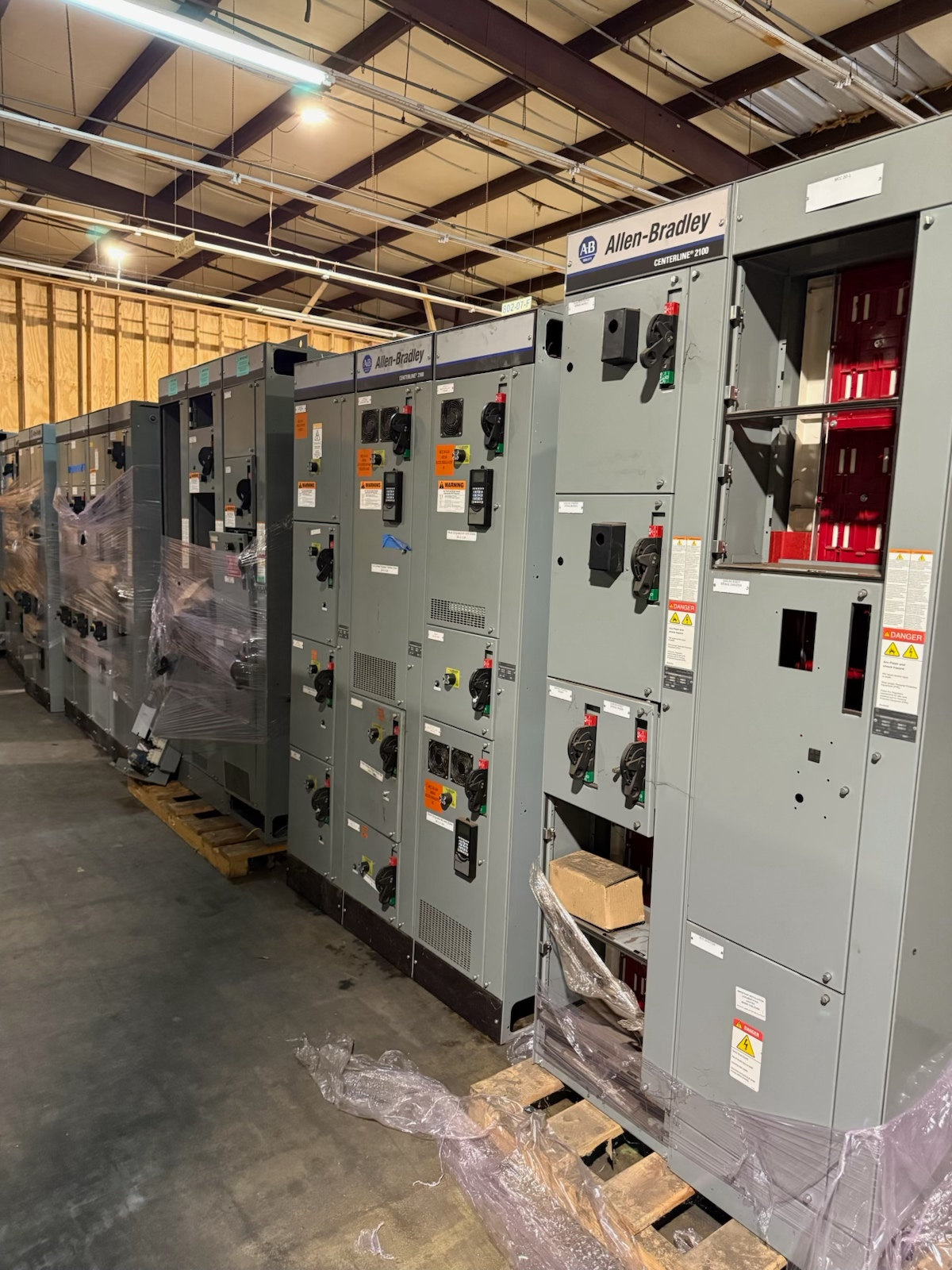
Start With the Switchgear Inventory
For an owner in Towanda considering a switchgear sale, begin with an inventory that shows what equipment is available and how it is grouped. Note the equipment’s general type, manufacturer markings if already visible, quantity, apparent completeness, and whether related distribution components are included. An inventory helps us assess the equipment as presented and discuss a possible purchase without asking you to test it.
Organize the information around the actual release, not around assumptions about what should be present. If records already identify equipment or its history, they may help explain the inventory; photos and labels are optional and useful only when already safely accessible. Do not open equipment, energize it, dismantle it, or move anything to gather details. Owners control site access, and an initial review can start with the information you have on hand.
Compare a Staged Release With One Sale
An industrial owner comparing a staged release with an all-at-once sale can evaluate both against the same inventory. A staged release separates equipment into proposed groups or timing phases, while an all-at-once release presents the available switchgear as one sale opportunity. The practical choice depends on the equipment, the owner’s schedule, and what can be agreed between buyer and seller; neither approach guarantees an offer.
To make the comparison useful, identify which items belong to each proposed group and whether any equipment must remain in place until a later phase. Then consider whether the groups can be described clearly and whether the owner can coordinate access for the agreed pickup scope. We buy switchgear, including equipment from decommissioned data centers and shut-down power plants, across all voltage classes. Equipment condition and sale terms still matter, so an inventory is a starting point rather than a promise that every item will be purchased.
Assess an Offer Without Testing
A purchase discussion does not require seller testing. We do not ask owners to test, energize, open, disconnect, dismantle, or handle switchgear to support an offer. The equipment can be considered using the inventory and information already available, with any questions about scope addressed before the parties agree on a sale.
When reviewing an offer, compare it with the specific equipment and release plan it covers. Confirm which items are included, whether the proposal addresses a staged group or the entire available lot, and what pickup scope both sides are discussing. An offer depends on the equipment and on agreement between buyer and seller; it should not be treated as a standing value for other equipment or later releases. If the inventory changes, clarify whether the revised scope needs a new discussion before proceeding.
Coordinate the Sale and Pickup Scope
Once the equipment and proposed sale scope are understood, the next discussion is coordination. We make cash offers for equipment we are interested in buying, and payment is made upfront before pickup. These terms are important when comparing an all-at-once release with staged sales: for each agreed purchase, the owner should understand which equipment is covered and when payment occurs in relation to pickup.
We handle cranes, rigging, disconnects, loading, freight, and hauling as part of coordinating the pickup. Discuss the intended equipment scope and access arrangements so the work can be coordinated around the agreed sale. The owner remains in control of site access; do not prepare equipment by disconnecting or moving it yourself. Site-specific arrangements depend on the location and the transaction, so confirm the scope with us rather than relying on assumptions about a particular facility.
Use Clear Records for Each Release
For staged sales, keep the proposed groups distinct in your records. A simple description of which inventory items are assigned to a phase can reduce confusion about what is being offered now and what may be considered later. For an all-at-once sale, use one consistent inventory scope so the buyer and seller can discuss the same equipment set. Existing documentation may help, but owners need not create technical records or perform inspections for the initial conversation.
If the inventory includes equipment with different histories, completeness, or apparent condition, describe those differences only to the extent they are already known. Avoid treating a manufacturer name, visible marking, or broad voltage class as proof of a specific specification or suitability. Those identifiers can help distinguish items, but they do not by themselves establish condition or determine whether we will make an offer. The purchasing decision remains tied to the equipment presented and the agreed scope.
Move From Inventory to an Agreement
A practical sequence is to share the available inventory, discuss whether the proposed release is staged or all at once, review any offer against its defined scope, and settle the pickup coordination before the sale proceeds. This keeps the conversation focused on what the owner intends to sell rather than on unverified assumptions about equipment or facility details. If the release plan changes, revisit the equipment list and terms before treating the earlier discussion as covering the new scope.
For Towanda-area owners, the same inventory-first approach supports a direct conversation about surplus or decommissioned switchgear without requiring seller testing. We buy only equipment that we choose to purchase under mutually agreed terms. When an agreement is reached, payment is upfront before pickup, and we coordinate cranes, rigging, disconnects, loading, freight, and hauling. The inventory helps establish what is being considered; the final purchase depends on the equipment and the agreement reached.